How do we process your data?
We use cookies to improve your browsing experience and personalize our content. They are mainly used for statistical purposes.
Inspiration and great deals for your next low-carbon trips


Want to escape the city, hop on your bike, and recharge in the great outdoors? Head to the Meuse (55)! Just an hour by TGV from Paris to the Meuse-TGV station, this corner of the Grand Est region offers the perfect setting for a micro-adventure amid tranquil rivers, dense forests, and villages that have retained their authentic charm.
From Paris:
From Metz or Nancy:
Once in the Meuse department, the local bus network (Fluo Grand Est lines) makes it easy to travel between the major cities, in addition to the TGV shuttle services.
Nature and micro-adventures: in As soon as you get off the train, you can hop on your bike and ride along the back roads to the river: the greenway winds its way past orchards and moss-covered cliffs. Between Verdun and Saint-Mihiel, the Meuse flows peacefully, while the former front lines have been transformed into forest certified as a "Forêt d'Exception®" by the ONF. A picnic break turns into an impromptu swim, a detour to Wind of the Forests, this open-air contemporary art center near Fresnes-au-Mont, gives you a taste of art in the heart of nature, and the end of the day is spent under the stars, in a cabin, or at a local foodie’s home. The next day, head to the Meuse Coast : You work up a sweat pedaling, bite into a mirabelle plum plucked from a tree by the side of the road, then come out at Lake Madine for a nap in the shade before heading back toward Commercy or coasting back to Verdun. For bikepacking enthusiasts, the EuroVelo 19 European Route - Cycling Along the Meuse It actually crosses the department on its way between Langres and Givet, and can be accessed from the Meuse-TGV station as well as from Langres or Charleville-Mézières for a train-and-bike trip (bikes are free on TER trains).
In terms of cultural heritage and living memory: Bar-le-Duc is notable for its remarkable Renaissance heritage. The upper town, designated a "City of Art and History," features a row of mansions built of blond stone and the beautiful Saint-Étienne Church, with its 16th-century stained-glass windows. Verdun It combines a leisurely stroll along the riverbanks with a poignant journey into the history of World War I: bunkers, trenches, and forts tell the story of the war, while the city is transforming its banks along the Meuse into terraces. In 2026, the 110th anniversary of the Battle of Verdun, the Fort de Vaux has reopened with a completely redesigned visitor experience, featuring an immersive exhibition designed to transport visitors into the daily lives of the soldiers of 1916. Further on, the Saint-Mihiel: A Small Town of Character showcases its abbey church and the masterpieces of the sculptor Ligier Richier, including "The Entombment." Commercy, on the other hand, frames the Baroque facades of Stanislas Castle, the former residence of the King of Poland in exile (it is said that this is where the madeleine was born).
When it comes to culinary delights and the art of living: Here, comfort finds its way into your bag: Mirabelle plums and quetsches picked along the way, Verdun dragées (a specialty that originated in Verdun as early as the 13th century and has been made by the Braquier company since 1783), craft beers... All washed down—why not?—with a glass of IGP Côtes de Meuse “vin gris” shared by the water’s edge, your calves already ready for the next hill!
In short, whether you’re traveling alone, as a couple, or with a group, the Meuse offers a wild yet accessible playground where you can slow down, breathe deeply, and rediscover that true luxury sometimes lies in a simple sunrise over the river, with your tent still glistening with dew.
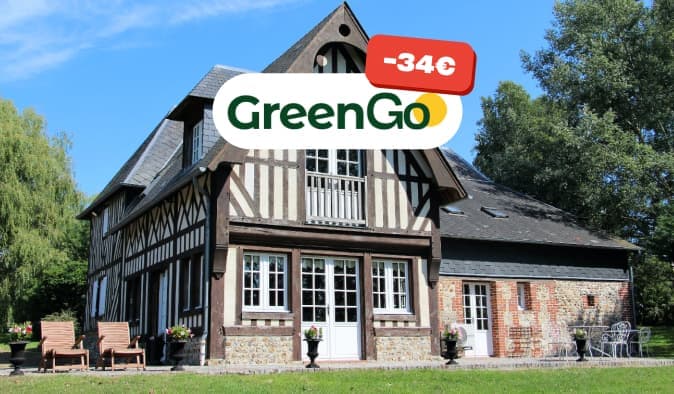
🌿 For your stay in Meuse, GreenGo is the reference platform for local, responsible tourism in France. Bonus: get €34 off your booking as a Club HOURRAIL member! 🎁
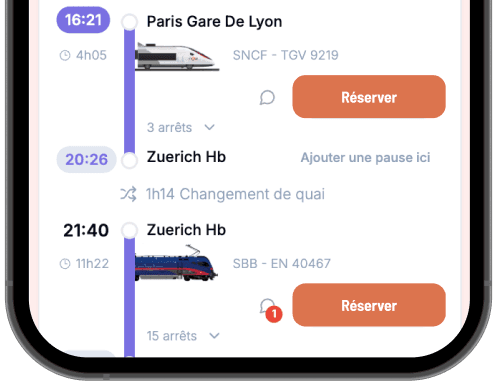
appCreate your train trip step by step and quickly find the best no-flight options.
Enrich this content and showcase how accessible your destination is by train, like our recent partners: , .